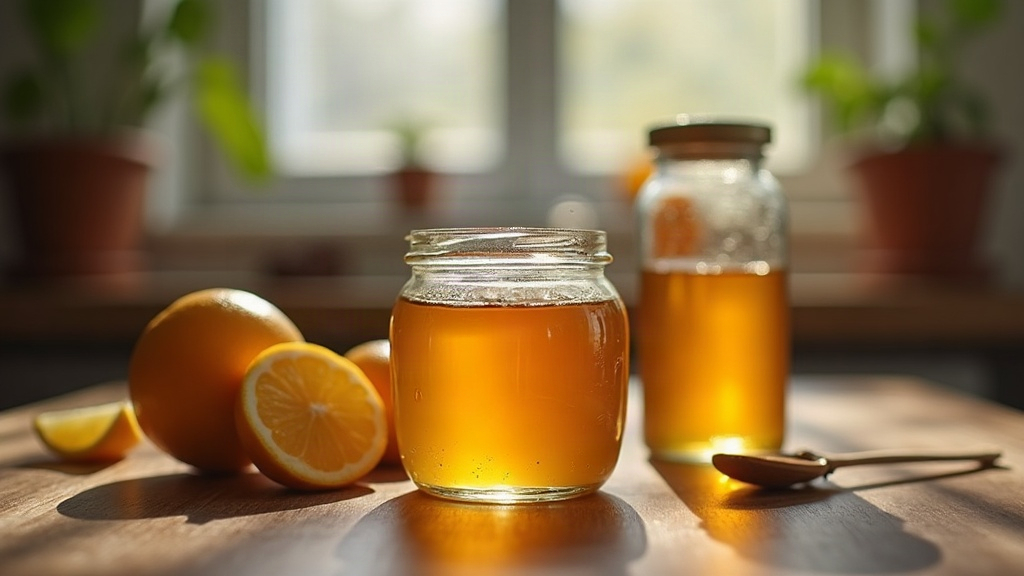
This guide looks at the tradition of honey in daily rituals and why more people are curious about it as they think about focus and mental sharpness with age.
Small changes in memory and focus are something many people start to notice around this age. Here’s a practical look at some of the most common ones.
Many people notice their mind takes longer to warm up in the morning — some turn to a warm drink with honey stirred in as part of that daily reset.
Recalling a name mid-conversation can take a beat longer than it used to, and that's a normal part of how memory works with age.
Lighter, shorter sleep is common after 50, and rest plays a well-known role in how the brain organizes the day's information.
Juggling several tasks at once can feel more taxing, prompting many people to simplify routines and focus on one thing at a time.
There’s a lot of noise out there. Let’s separate common assumptions from what’s actually reasonable to expect.
Honey is just sugar, so it has no place in a healthy routine.
Honey is a natural sweetener that has been used in traditional food practices for centuries; it is not a substitute for medical care or a treatment for memory concerns.
Forgetting things occasionally means something is seriously wrong.
Occasional forgetfulness is a common experience reported at many ages and is not automatically a sign of a medical condition.
Nothing can be done about changes in memory after 50.
Many people explore everyday habits — like sleep, nutrition, and mental engagement — as part of a broader approach to daily wellness.
No complicated system needed — just a practical framework to build from.
Start by paying attention to when your focus feels sharpest and when it dips during the day.
Simple daily rituals — like a warm drink or a set wind-down routine — can help create structure without adding pressure.
Reading, conversation, and new activities keep the mind active, which many people find satisfying as part of a daily rhythm.
Honey has appeared in traditional food and wellness practices across many cultures for thousands of years, often valued simply as a natural sweetener and pantry staple passed down through generations. Interest in these traditions has grown alongside broader curiosity about everyday habits that support general well-being as we age.
Insight: Tradition and folklore are not the same as clinical evidence. Honey’s long history in food culture doesn’t mean it treats or prevents any condition — it’s one small ingredient among many in a varied daily routine.
Struggling to follow a conversation that involves multiple people or topics.
Regularly losing track of keys, glasses, or your phone in unusual places.
Recipes, directions, or instructions with several steps start to feel confusing.
Asking the same question or retelling a story without realizing it's been said before.
Everyday tasks you've done for years suddenly take extra thought.
Feeling more withdrawn or less interested in activities you used to enjoy.
These are individual experiences shared for illustrative purposes only. They are not typical, are not guaranteed, and should not be interpreted as claims about the effectiveness of any product or ingredient. Always consult a healthcare professional regarding memory or cognitive concerns.
Honey has not been evaluated by the FDA to diagnose, treat, cure, or prevent any condition, including memory-related concerns. It is a food ingredient with a long history in traditional diets, not a treatment.
Occasional forgetfulness is a common experience many people report as they age. If it becomes frequent or disruptive, speaking with a healthcare professional is recommended.
Sleep is widely recognized as important for how the brain organizes daily information, though individual needs and experiences vary.
Honey is generally recognized as a food ingredient, but people with certain health conditions, like diabetes, or specific dietary restrictions should consult a healthcare provider before making changes.
This page is sponsored content created for informational and educational purposes and may include affiliate links, as disclosed in our footer.
No. Nothing on this page is intended to diagnose, treat, cure, or prevent any disease. It is intended for general educational purposes only.
If memory changes are sudden, severe, or interfere with daily life, it’s important to consult a qualified healthcare professional promptly.
Explore the full video to see how honey fits into the bigger conversation about everyday habits after 50.
Advertising Disclosure: This page contains sponsored content and may include affiliate links. We may receive compensation if you make a purchase through links on this page. This does not affect the price you pay and helps support the operation of this site.
Content Disclaimer: This content is provided for educational and informational purposes only. Statements on this page have not been evaluated by the Food and Drug Administration. This information is not intended to diagnose, treat, cure, or prevent any disease. Always consult a qualified healthcare professional before making changes to your diet, lifestyle, or wellness routine.
Results Disclaimer: Individual results and experiences vary. Testimonials shared on this page reflect personal opinions and are not a guarantee of any specific outcome. Nothing on this page should be interpreted as a promise of results.
© 2026 · All Rights Reserved · Contact: /contact/